
Bersiva Zû
Bi gelemperî, divê kefçeyek sêrbaz bi av û zextek sivik were bikar anîn. Kefçeyek şil bikin, ava zêde bipijînin û bi nermî devera lekeyî bişon, ne ku bi tundî bişon. Kefçeyên sêrbaz ên ji kefka melamînê hatine çêkirin bi gelemperî ji bo rûberên domdar ên wekî fayansên seramîk, lavabo, alavên paqijiyê yên seramîk, hin deverên pola zengarnegir, binê pêlavan û hin dîwarên boyaxkirî guncan in. Lêbelê, bi gelemperî divê ew li ser boyaxa biriqandî, boyaxa otomobîlan, çerm, ekranên desta, kevirê xwezayî yê cilkirî û rûberên din ên nazik an jî yên ku bi hêsanî dixêrin dûr werin bikar anîn. Dema ku hûn rûberek nenas paqij dikin, her gav kefçeyek pêşî li deverek piçûk a veşartî biceribînin.
Sifûngê Efsûnî Çi ye?
Sifinceke sêrbaz, ku bi gelemperî wekî sifinca jêbir a sêrbaz an sifinca paqijkirina melamînê jî tê zanîn, ji kefka melamînê ya şaneya vekirî tê çêkirin.
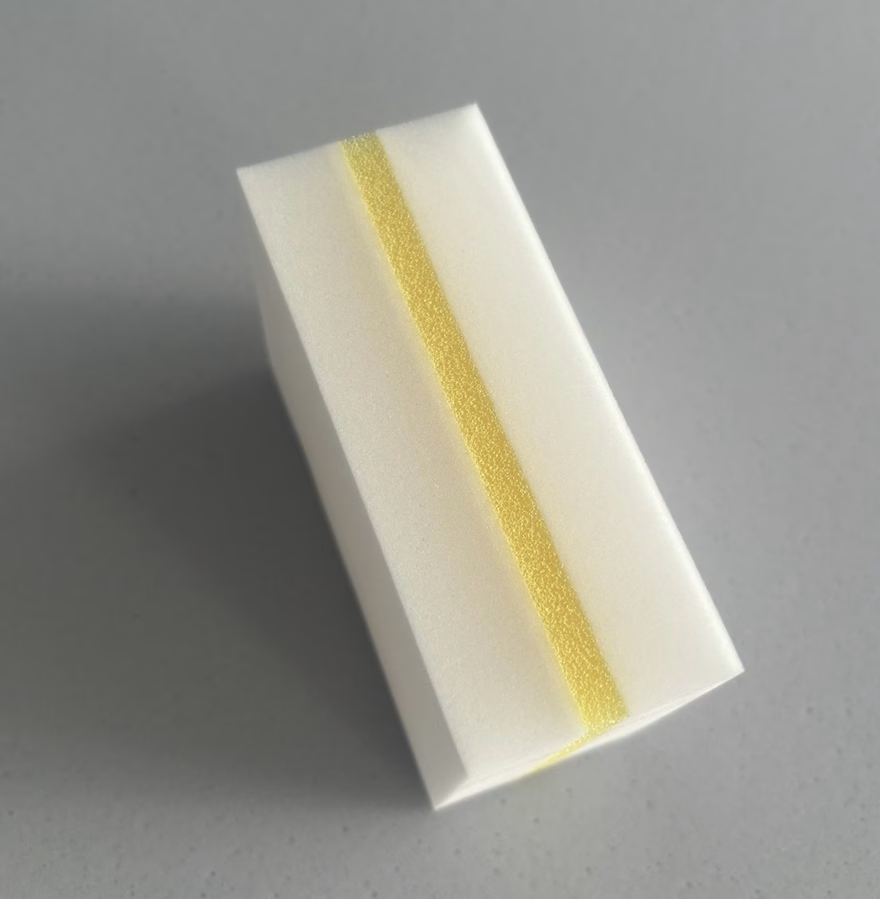
Berevajî kefka metbexê ya kevneşopî ku bi giranî avê dikişîne an jî deterjanê li ser rûyekî hildigire, kefa melamînê xwedî avahiyek poroz a sê-alî ya pir nazik e.
Dema ku bi sivikî li ser rûyekî tê rijandin, ev avahî çalakiyek paqijkirina mekanîkî ya nerm peyda dike ku dikare bibe alîkar ku were rakirin:
- Nîşanên qirikê
- Nîşanên pêlavan
- Fingerprints
- Nîşanên boyaxê
- Bermayiya sabûnê
- Axê rûberî
- Hin lekeyên dijwar ên malê
Di gelek bikaranînan de, tenê av hewce ye.
Lêbelê, heman mekanîzmaya paqijkirina mîkro-abrazîv ku kefçeyek sêrbaz bi bandor dike di heman demê de tê vê wateyê ku divê ew bi baldarî were bikar anîn.
Ji ber vê yekê, zanîna ka meriv çawa bi ewlehî kefçeyek sêrbaz bikar tîne , bi qasî zanîna tiştên ku ew dikare paqij bike girîng e.

Meriv Çawa Bi Ewlehî Sifoncek Sêrbaz Bikar Tîne
Bi awayekî rast bikaranîna kefçeyek sêrbaz hêsan e, lê çend hûrguliyên piçûk dikarin xetera zirara rûyê bi girîngî kêm bikin.
Gav 1: Pêşî rûberê kontrol bikin
Berî paqijkirinê, tespît bikin ka rûber hişk, domdar, pêçayî, cilkirî, boyaxkirî, an jî li hember şikestinê hesas e.
Heke hûn ne ewle ne, kefçê li ser beşek piçûk û veşartî biceribînin.
Ev bi taybetî ji bo girîng e:
- Rûberên boyaxkirî
- Metalê pêçandî
- Rûberên paqijkirî
- Dawiyên xemilandî
- Mobîlyayên kevintir
- Pêçandinên rûberî yên nenas
Gava 2: Îsfonga Sêrbaz şil bike
Îsfongê melamînê bi ava paqij bişon .
Av alîkariya nermkirina kefê dike û dihêle ku ew bi rûyê çêtir ve were girêdan.
Gava 3: Ava Zêde Derxin
Bi nermî kefekê bipêçe heta ku şil bimîne lê êdî nemije.
Ji zivirandina bi tundî ya kef dûr bisekinin, ji ber ku ev dikare zirarê bide avahiya navxweyî ya kefê.
Gava 4: Zexta Sivik Bikar Bînin
Devera lekeyî bi nermî bişon.
Bi tansiyona herî kêm dest pê bikin û tenê heke pêwîst be zêde bikin.
Bi gelemperî isfencek efsûnî hewceyê firçeyek tund nîne.
Zexta pir zêde dikare:
- Îsfencê zûtir li xwe bike
- Şikestina kefê zêde bike
- Rûpûşên rûyê rakin
- Kêmkirina şewqê
- Nîşanên aşınayî yên xuya bihêlin
Ji bo piraniya lekeyan, çend ceribandinên nerm ji yek firçekirina êrîşkar çêtir in.
Gav 5: Rûyê Paqij Bikin
Piştî paqijkirinê, ji bo rakirina bermayiyên şil qumaşek mîkrofîber a şil an jî qumaşek paqij bikar bînin.
Ger hewce be, piştî wê rûyê wê zuwa bikin.
Hûn dikarin kîjan rûyan bi kefçeyek sihirbaz paqij bikin?
Sifincên efsûnî li ser rûberên nisbeten hişk û domdar çêtirîn dixebitin.
Lêbelê, pêlavên rûvî di navbera hilberîneran de pir cûda dibin, ji ber vê yekê ceribandina xalî hîn jî tê pêşniyar kirin.
- Tîreyên seramîk
Fayansên seramîk yek ji wan karanîna herî gelemperî ne ji bo sifongên paqijkirina melamînê.
Ew dikarin bibin alîkar ku bên rakirin:
- Gemmar
- Nîşanên sabûnê
- Nîşanên pêlavan
- Fingerprints
- Qirêjiya rûvî
Sifincên efsûnî bi taybetî li dora metbex, serşok û deverên ketinê bikêr in.
Ji bo tehtên pir cilkirî an jî bi taybetî pêçayî, pêşî biceribînin.
- Lavaboyên Seramîk û Amûrên Sanîteriyê
Kefa melamine dikare ji bo paqijkirinê bikêr be:
- Lavaboyên seramîk
- Baskên şuştinê
- Toilets
- Amûrên serşokê yên seramîk
Ew dikare bibe alîkar ku şopên avê, bermahiyên sabûnê û qirêjiya rûyê erdê bêyî ku hewcedariya mîqdarên mezin ên kîmyewiyên paqijkirinê hebe, were rakirin.
- Bingehên Pêlavan û Navînên Lastîkî
Yek ji sepanên her ku diçe populertir ên isponcên sêrbaz paqijkirina pêlav û werzişvanan e.
Ew bi taybetî li ser wan bi bandor in:
- Tabanên lastîkî yên spî
- EVA midsoles
- Herêmên lastîkî yên tiliyên pê
- Sidewalls
Îsfencê bi sivikî şil bike û bi lêdanên nerm cihê qirêj paqij bike.
Giring
Bi awayekî otomatîkî kefç li ser tevahiya pêlavê bikar neynin.
Çerm, çermê pêçayî, xemlên boyaxkirî, logoyên çapkirî, çermê süet û qumaşên nazik dikarin bi awayên cuda bertek nîşan bidin.
Ji bo paqijkirina pêlavan, kefçeyên sêrbaz bi gelemperî ji bo deverên lastîkî û sentetîk ên domdar herî guncaw in.
- Nîşanên Biçûk li ser Dîwarên Boyaxkirî
Sifonên sêrbaz bi gelemperî ji bo rakirina van têne bikar anîn:
- Fingerprints
- Pêlavên pêlavan
- Nîşanên qelemê
- Nîşanên qelema sivik
- Axê dîwarê giştî
Lêbelê, dîwarên boyaxkirî hewceyê baldariyek zêdetir in.
Boyaxa dîwêr a rax an mat carinan dikare ji ya ku tê hêvîkirin hesastir be, di heman demê de rijandina dubare dibe ku xalek biriqandî ya berbiçav çêbike an jî hin rengdêran jê bibe.
Her gav pêşî beşek veşartî biceribînin û zextek pir sivik bikar bînin.
- Pola Zengarnegir — Bi Hişyarî
Carinan kefçeyek efsûnî dikare li ser lekeyên herêmî yên li ser rûyên pola zengarnegir were bikar anîn.
Nimûneyên guncaw dikarin hin ji wan ev bin:
- Lavabokên metbexê
- Amûrên karûbarê
- Rûyên kar ên ji pola zengarnegir
- Amûrên bêyî pêçandinên xemilandî yên nazik
Lêbelê, pola zengarnegir a firçekirî, cilkirî, pêçayî, an jî bi neynikê qediyayî dikare li hember şikestinê hesas be.
Eger aliyê damarên pola zengarnegir xuya be, li seranserê damaran bi nermî paqij bikin, ne li seranserê wê.
Her gav pêşî ceribandinek li ser qadek piçûk bikin.
Rûyên ku Divê Hûn Ji Paqijkirina Bi Îsponcê Sihirbazî Dûr Bikevin
Ji ber ku kefê melamînê bi qismî bi rêya aşırandina fîzîkî ya sivik dixebite, divê ew ji bo her materyalê wekî guncan neyê hesibandin.
Dibe ku hin rûber şewqa xwe winda bikin, biçirin, an jî zirara mayînde ya boyaxê bibînin.
Bi gelemperî, rûyên jêrîn hewceyê baldariyek taybetî ne an jî divê ji wan dûr bisekinin.
- Rûyên Boyaxkirî yên Bilind-Bluz
Ji bikaranîna tund a kefçeyên sêrbaz li ser boyaxa bilind-biriqok dûr bisekinin.
Çalakiya mîkro-abrezîv dikare hêdî hêdî biriqandinê kêm bike an jî deverek matmayî bihêle.
Nimûne ev in:
- Mobîlyayên geş
- Dolabên lacquered
- Dawîkirina piyanoyê
- Panelên xemilandî yên bi şewqa bilind
- Rûyên malê yên pêçayî
Ji bo van serlêdanan, qumaşek mîkrofîber a nerm û paqijkerek ku bi taybetî ji bo pêçanê hatî çêkirin bi gelemperî ewletir in.
- Boyaxa Otomotîvê
Bi gelemperî divê isfencê sêrbaz li ser boyaxa derveyî ya otomobîlan neyê bikar anîn.
Rûyên wesayîtên nûjen pir caran ji gelek tebeqeyan pêk tên, di nav de:
- Boyaxa bingehîn
- Kirasê zelal
- Kincên parastinê
- Mûm an jî sealant
Kefa melamînê dikare van tebeqeyan gêj bike an jî bişkîne.
Ji bo paqijkirina karoserê otomobîlê, li şûna wê hilberên şuştin û detaykirina otomobîlan ên taybetî bikar bînin.
- çerm
Ji bikaranîna kefçeyên sêrbaz li ser çerm dûr bisekinin heya ku hilberînerê çerm bi taybetî vê rêbazê pesend neke.
Çerm dikare di nav van tiştan de hebe:
- pigments
- Kincên parastinê
- Rûn
- Rûber qedandin
Paqijkirina abrazîv dikare van tebeqeyan jê bike û deverek bi domdarî siviktir an hişktir bihêle.
Ev ji bo tiştên wekî derbas dibe:
- Kincên çerm
- Sofas çerm
- Bags
- Kursîyên çermî yên otomobîlan
- Aksesûarên çermî
- Ekranên destî û dîmenderên elektronîkî
Îsponcê sêrbaz li ser van mijaran bikar neynin:
- Ekranên smartphone
- Ekranên tabletê
- Dîmenderên laptopê
- Panelên kontrolê yên ekrana desta
- Ekranên televîzyonê
- Dîmenderên kamerayê
Dibe ku ev rûber pêlavên nazik ên dijî-çirûsk, oleofobîk, an parastinê dihewînin ku dikarin ji ber şikestinê zirarê bibînin.
Li şûna wê qumaşê mîkrofîberê yê guncaw û rêbaza paqijkirinê ya ewle ya elektronîkê bikar bînin.
- Kevirê xwezayî
Heta ku bi taybetî nehatibe ceribandin, li ser kevirên xwezayî yên nazik an jî cilkirî bikaranîna kefçeyên sêrbaz dûr bisekinin.
Nimûne ev in:
- mermer
- Kils
- Travertine
- Granîta cilkirî
- Kevirê endezyarî bi pêçanên taybetî
Ger rûyên cilkirî gelek caran werin paqijkirin, dikarin biriqîna xwe winda bikin.
Dibe ku kevirê xwezayî xwedî madeyên sealant bin ku divê zirarê nebînin.
Materyaleke paqijkirinê ya ji bo keviran ewle bikar bînin ku ji bo materyalê tê pêşniyarkirin.
- Rûyên ku bi hêsanî diqelişin an jî nazik in
Wek qaîdeyek gelemperî, ji bikaranîna kefçeyên sêrbaz li ser her rûyekî ku xişandinên nazik dikarin zirarên berbiçav çêbikin dûr bisekinin.
Nimûne dikarin bibin:
- Acryl
- Plexiglass
- Plastîka cilkirî
- Plastîka geş
- Kincên xemilandî
- Pêçanên nezeliqok
- Dawîkirinên antîk
- Rûyên nerm ên metalî
- Laminatên bibiriqîn
Dema ku di gumanê de ne, rêbazek paqijkirinê ya kêm aşındêr hilbijêrin.
Rûyên Ewle û Neewle bi Kurteyek
| Rû | Pêşnîyar | Notes |
| Qeraseya seramîkî | Bi gelemperî minasib | Testkirina qedandinên cilkirî |
| Sink seramîk | Bi gelemperî minasib | Zexta sivik bikar bînin |
| Tabana lastîkî ya pêlavan | Bi gelemperî minasib | Ji pêlavên jorîn ên nazik dûr bisekinin |
| Dîwarê boyaxkirî | Bi hişyarî bikar bînin | Pêşî biceribînin, nemaze boyaxa mat |
| Tev stîl | Bi hişyarî bikar bînin | Şopandina genim û ceribandina pêçandinê |
| Boyaxa bilind-biriqandî | Bergirtin | Dibe ku şewq kêm bike |
| Boyaxa otomobîlê | Bergirtin | Dibe ku bandorê li ser kincê zelal bike |
| çerm | Bergirtin | Dikare dawî an pigmentê jê bike |
| Touchscreen | Bergirtin | Dibe ku zirarê bide boyaxên rûyê |
| Kevirê xwezayî | Bi gelemperî dûr bisekinin | Dikare bandorê li ser cilkirin an sealker bike |
| Akrîlîk / Pleksîglas | Bergirtin | Bi hêsanî tê xêzkirin |
| Kevoka nexşikê | Bergirtin | Dibe ku zirarê bide pêça fonksiyonel |
Çima kefçîyekî sêrbaz dikare zirarê bide hin rûyan?
Bersiv di avahiya kefê melamine de ye.
Di bin mezinkirinê de, kefka melamînê ya saxlem toreke bi hev ve girêdayî ya pir nazik dihewîne.
Dema ku li ser rûyekî tê rijandin, ev avahî bandorek sivik a aşınker diafirîne.
Ev yek rave dike çima kefçîyekî efsûnî dikare nîşanên ku bi kefçîyekî nerm ê kevneşopî rakirina wan dibe ku dijwar be, rake.
Lê performansa paqijkirinê her gav hevsengiyek di navbera van de vedihewîne:
Hêza paqijkirinê
û
berxwedana rûberê
Fayanseke seramîk a domdar dikare vê têkiliyê pir baş tehemûl bike.
Ji aliyê din ve, pêçek biriqok dikare aşınbûna mîkroskopîk wekî matbûna berbiçav nîşan bide.
Ji ber vê sedemê:
Kiryarek firçekirinê ya bihêztir ne hewce ye ku paqijkirinek çêtir be.
Hilbijartina rast a zextê û rûyê rast girîng e.
Ma hûn hewceyê kîmyewiyên paqijkirinê bi kefçeyek sihirbaz in?
Di gelek sepanên paqijiya rojane de, tenê av bes e.
Ev yek ji wan sedeman e ku hilberên paqijkirina kefê melamînê ji bo sepanên ku bikarhêner dixwazin vexwarina deterjanê ya nehewce kêm bikin populer in.
Lêbelê, ji bo rûnê girantir an qirêjiya taybetî, dibe ku hîn jî madeyek paqijkirinê ya lihevhatî hewce be.
Berî ku hûn kefçeyek sêrbaz bi paqijkerên kîmyewî re bikin yek, herduyan kontrol bikin:
- Ma paqijker bi rûyê re lihevhatî ye.
- Ma paqijker bi kefçê re lihevhatî ye.
Bawer nekin ku kîmyewiyên bihêztir bixweber encamên paqijkirinê baştir dikin.
Dema ku hûn kefçîyekî sêrbaz bikar tînin, divê hûn lepikan li xwe bikin?
Ji bo paqijkirina malê ya normal bi avê, gelek bikarhêner rasterast sifincên melamînê bikar tînin.
Lêbelê, lepik hîn jî dikarin bi kêr bên dema ku:
- Paqijkirin ji bo demên dirêj
- Bi deterjantan re dixebitin
- Paqijkirina deverên rûnkirî an qirêj
- Çermê te hesas e
Ji rijandina rasterast a demdirêj a li ser çerm dûr bisekinin, ji ber ku kefçeyek melamînê ji bo şuştina rûyan hatiye çêkirin ne ku wekî kefçeyek lênêrîna kesane were bikar anîn.
Gelo sifinceke sêrbaz dikare hişk were bikar anîn?
Ji bo piraniya sepanên paqijkirinê, çêtir e ku kef berî karanînê şil bibe.
Îsponcek şil:
- Bi rûyê erdê re çêtir li hev tê
- Têkiliya paqijkirinê ya nermtir çêdike
- Dikare xişandina kefê ya nehewce kêm bike
- Rakirina qirêjiya sistkirî hêsantir dike
Paqijkirina hişk dibe ku xişandin û şikestina kefê zêde bike.
Talîmatên ku bi hilbera takekesî re têne peyda kirin bişopînin.
Meriv Çawa Dikare Sifûncek Sêrbaz Dirêjtir Bidomîne
Kefa melamînê materyalek paqijkirinê ya ku tê bikaranîn e.
Hin xişandin di dema paqijkirinê de normal e ji ber ku kef gava li ser rûberên qirêj dixebite hêdî hêdî dihele.
Lêbelê, teknîka rast dikare bi tevahî sivikkirinê baştir bike.
Ji bo dirêjkirina temenê sifincê:
- Berî bikaranînê îsfencê şil bikin
- Bi awayekî êrîşkar wê nezivirînin
- Zexta sivik bikar bînin
- Bi karanîna çend rêyên nerm paqij bikin
- Tenê devera pêwîst a kefçî bikar bînin
- Ji keviyên tûj dûr bixin
- Dema ku pêwîst be, axê asê maye bişon
Ji bo hilberên paqijiyê yên bazirganî, dendika isfencê, asta zextê, pîvan û formulasyona kefê jî dikarin bandorê li hest û domdariya paqijkirinê bikin.
Kefa Melamînê ya Standard vs. ya Pêçayî
Ne hemû sifincên efsûnî tam xwedî taybetmendiyên fîzîkî yên wekhev in.
Berhemên kefên melamine dikarin bi awayên cûda werin sêwirandin:
- Astên densiteyê
- Rêjeyên zextê
- Qalindbûn
- Strukturên şaneyan
- Shapes
- Qatên laminated
Kefa melamînê ya standard pir sivik e û çalakiyek paqijkirinê ya bi bandor peyda dike.
Kefa melamînê ya pêçayî an jî ya densiteya bilindtir dikare hestek destan a cuda peyda bike û dibe ku ji bo hin serlêdanên paqijkirinê domdariyek çêtir peyda bike.
Ev yek endezyariya hilberê bi taybetî ji bo serlêdanên wekî girîng dike:
- Paqijkirina pêlavan
- Paqijkirina profesyonel
- Paqijkirina hundirê otomobîlê
- Marqeyên paqijkirina malê
- Berhemên paqijkirinê yên bi etîketa taybet
- Sîstemên padsên paqijkirinê yên ji nû ve bikarhatî
Li SINOYQX , kefika melamine dikare li gorî serlêdana armanckirî di pîvanên cûda, dendik, strukturên pêçayî û hilberên paqijkirinê yên veguheztî de were hilberandin.
Lîsteya Kontrolkirina Ewlehiyê Berî Bikaranîna Îsponcê Sêrbaz
Berî paqijkirina rûyekî nenas, van çar rêgezan bişopînin:
- Test First
Îsfencê li deverek veşartî biceribîne.
- Bi nermî dest pê bike
Pêşî zexta herî kêm bikar bînin.
- Finish kontrol bikin
Ger hûn bala xwe bidinê, tavilê rawestin:
- Windabûna şewqê
- Veguhestina rengan
- Xurandina rûberê
- Rakirina pêçanê
- Guherandinên texture
- Talîmatên Çêkerê Rûyê Bişopînin
Dema ku rûber biha, nazik, pêçayî, an jî bi awayekî profesyonel hatiye qedandin, divê pêşniyara paqijkirinê ya çêker pêşî were girtin.
Pirsên Pir tên Pirsîn
Ma kefçeyek sêrbaz ji bo hemî rûyan ewle ye?
Na.
Sifincên efsûnî bandorek paqijkirinê ya sivik a aşınker hene û ji bo her materyalî ne guncaw in.
Bi gelemperî divê li ser rûberên nazik, biriqandî, cilkirî, pêçayî, an jî yên ku bi hêsanî tên xêzkirin, neyê bikaranîn.
Pêşî her tim rûyekî nenas biceribîne.
Ma hûn dikarin kefçeyek sêrbaz li ser dîwarên boyaxkirî bikar bînin?
Belê, lê bi baldarî.
Sifincên efsûnî dikarin şopên piçûk ji gelek dîwarên boyaxkirî derxînin, lê rijandina zêde dikare bandorê li ser qedandina boyaxê bike.
Boyaxên mat û rax dikarin bi taybetî hesas bin.
Berî paqijkirina beşek xuya, li deverek veşartî biceribînin.
Ma hûn dikarin kefçeyek sêrbaz li ser pola zengarnegir bikar bînin?
Dibe ku ji bo hin rûyên pola zengarnegir guncan be, lê baldarî hewce ye.
Pola zengarnegir a firçekirî, cilkirî, bi neynikê qedandî, an jî pêçayî dibe ku şikestinê nîşan bide.
Her gav pêşî biceribînin û, heke pêkan be, li ser rêşiyê paqij bikin.
Gelo kefçîyekî sêrbaz dikare pêlavan paqij bike?
Belê, bi taybetî binê û nîvê binê lastîkî yên pêlavên werzişê û werzişvanan.
Ji sepandina wê ya otomatîk li ser çerm, süet, grafikên çapkirî, an materyalên pêlavan ên nazik ên pêçayî dûr bisekinin.
Ma ez dikarim kefçeyek sêrbaz li ser gerîdeya xwe bikar bînim?
Bi gelemperî divê isfencê sêrbaz li ser boyaxa derveyî ya otomobîlan neyê bikar anîn ji ber ku çalakiya wê ya aşınker dikare bandorê li ser qata zelal an biriqandinê bike.
Li şûna wê, hilberên paqijkirina otomobîlan ên taybet bikar bînin.
Ma tu dikarî kefçekî sêrbaz li ser cam bikar bînî?
Ew bi celebê cam û her pêçanên ku li ser têne sepandin ve girêdayî ye.
Cama sade dibe ku paqijkirina nerm tehemûl bike, lê cama pêçayî, boyaxkirî, dermankirî, an jî cama taybet dikare hesastir be.
Pêşî biceribînin û pêşniyarên çêkerê cama bişopînin.
Ma tu dikarî kefçekî sêrbaz li ser mermer bikar bînî?
Bi gelemperî çêtir e ku meriv li ser mermerê cilkirî bikaranîna kefçekî efsûnî dûr bixe.
Kefa melamînê dikare bandorê li ser qedandina cilkirî an jî mohra kevir bike.
Paqijkerek bi taybetî ji bo kevirên xwezayî hatî çêkirin bikar bînin.
Ma kefçeyên sêrbaz madeyên kîmyewî yên paqijkirinê dihewînin?
Tesîra paqijkirinê ya kefê melamînê yê standard bi giranî ji ber avahiya wê ya poroz a nazik tê, ne ji deterjanta di hundurê kefê de.
Lêbelê, hilberên firotanê yên qedandî dikarin cûda bibin, û hin ji wan dibe ku malzemeyên zêde di nav xwe de bigirin.
Her tim agahdariya hilberê ya kesane kontrol bikin.
Çima gava ez kefçekî sêrbaz bikar tînim biçûktir dibe?
Ev normal e.
Kefa melamînê hêdî hêdî dihele ji ber ku avahiya wê ya nazik bi mekanîkî gemarî ji rûberê radike.
Rêjeya şewitandinê bi faktorên wekî:
- Nêzîkbûna axê
- Zexta pêkanîn
- Cureyê lekeyê
- Density kef
- Qalindahiya sifincê
- Teknîka paqijkirinê
Hilbijartina Kefa Melamine ya Rast ji bo Berhemên Paqijkirinê
Ji bo markayên paqijkirinê û hilberînerên OEM, taybetmendiyek sifûnca efsûnî ya yekane tune ku ji bo her serîlêdanê îdeal be.
Dibe ku kefçeyek paqijkirina dîwaran a malê ji kefçeyek paqijkirina pêlavan an jî pedîşeke paqijkirinê ya bazirganî taybetmendiyên fîzîkî yên cuda hewce bike.
Faktorên sereke yên ji bo nirxandinê ev in:
- Density kef
- Rêjeya compression
- Berxwedana şil
- Performansa paqijkirinê
- Qalindahiya sifincê
- Pîvanên birrînê
- Laminasyona rûvî
- Forma pakkirinê
- Rûyê paqijkirinê yê armanckirî
SINOYQX ji bo sepanên paqijkirinê yên cûda materyalên kefê melamine û çareseriyên sifincê yên xwerû peyda dike.
Vebijarkên pêvajoyê yên berdest dikarin ev bin:
- Kefa melamînê ya standard
- Kefa melamînê ya pêçayî
- Tîrbûna xwerû
- stûrahiya Custom
- Birîna taybet
- Şêweyên taybet
- Sifonên paqijkirinê yên laminkirî
- Berhemên OEM/etîketa taybet
- Pakêta firotanê ya xwerû
Thoughts Final
Fêrbûna ka meriv çawa bi ewlehî kefçeyek sêrbaz bikar tîne vedigere ser têgihîştina prensîbek girîng:
Materyalê paqijkirinê yê rast li ser rûbera rast bi zexta rast bikar bînin.
Sifincên efsûnî dikarin li ser rûberên domdar ên wekî fayansên seramîk, lavabo, binê pêlavan û hin rûberên malê pir bi bandor bin.
Lêbelê, ji ber ku kefê melamînê aşînek mekanîkî ya sivik peyda dike, divê neyê bikar anîn an jî bi baldarî li ser boyaxa biriqandî, çerm, boyaxa otomobîlan, ekranên desta, kevirê xwezayî yê cilkirî û rengên din ên nazik were ceribandin.
Dema ku guman heye:
Pêşî deverek veşartî biceribînin, avê bikar bînin, bi zextek sivik dest pê bikin, û heke xuyangê rûyê erdê biguhere rawestin.
Der barê SINOYQX
SINOYQX hilberîner û dabînkerê materyalên kefê melamine û hilberên kefê melamine yên veguherandî ji bo paqijkirin, akustîk, îzolasyona germî, fîltrekirin û serîlêdanên din ên pîşesaziyê ye.
Ji bo hilberînerên hilberên paqijkirinê û markayên labelê yên taybet, SINOYQX piştgirî dide pêşkeftina sifinca melamine ya xwerû, di nav de dendikên cûda, astên zextê, dimensiyon, şekil, laminasyon û formatên pakkirinê.
Serlêdan ev e:
Sifincên paqijkirinê yên efsûnî, sifincên paqijkirina pêlavan, pedên paqijkirina malê, hilberên paqijkirinê yên profesyonel, hilberên kefê melamînê yên xwerû, û çareseriyên paqijkirinê yên OEM/etîketa taybet.